



Why are the prices of Cryptocurrencies not increasing?
After the decline in Bitcoin the previous week, although it is experienced with bottom purchases, the leading crypto currency is to encounter a thousand dollars. Within the risks in the markets, its course and harsh reviews from the USA are seen as progress in the planning stage.
Although Bitcoin partially recovered after the great collapse it experienced in the previous week, it continues to maintain its horizontal course at the $ 50,000 border. The horizontal course of Bitcoin, which is expected to rise with purchases made at low prices, caused question marks among crypto investors.
Bitcoin continued to trade above $49,000 and Ethereum at $4,000.
Bitcoin, which is 103 percent more valuable than its value at the beginning of the year, has partially stopped with the effect of the regulation signal that came in December after the sharp fluctuations it experienced during the year.
While Bitcoin saw its historical peak with $ 69 thousand during the year, it saw its lowest level at the beginning of the year with $ 28 thousand.
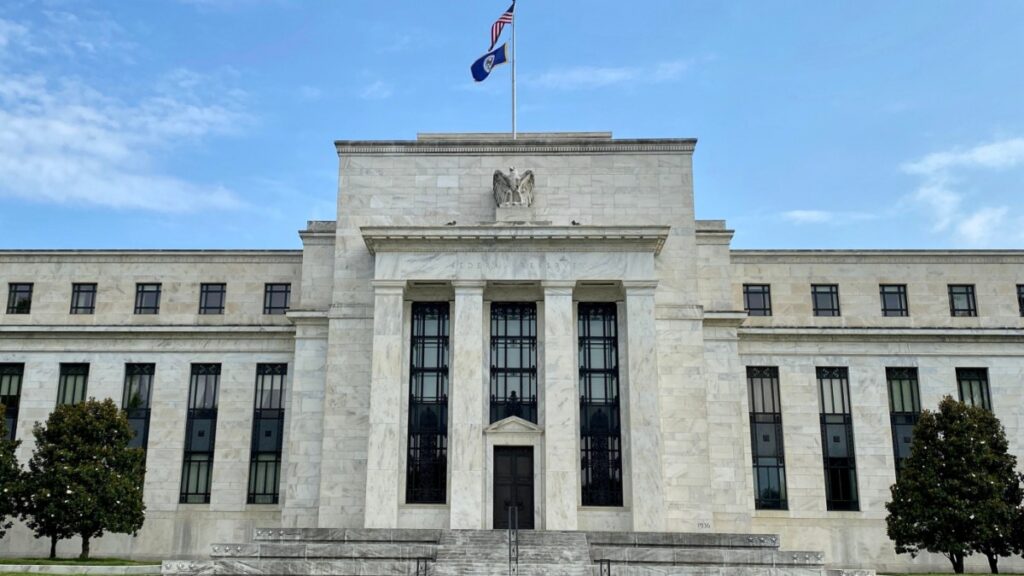
The last drop in Bitcoin, which fell hard for various reasons such as Elon Musk‘s exits and China’s harsh ban waves during the year, was effective when the US Congress called the representatives of the country’s leading crypto exchanges to listen to the commission, along with the Fed’s signals to tighten its monetary policy.


TRADING VOLUME LOW
Due to the fear and anxiety caused by the Omicron variant, the decrease in risk appetite and people’s turn to safe havens were effective in the last drop in Bitcoin. The decline in Bitcoin was parallel to the fall in the stock market.
Although cryptocurrencies such as Bitcoin and Ethereum partially recovered after the decline and compensated for their losses, low transaction volume was also effective in not returning to the $ 60,000 levels seen in the previous weeks.
According to data published by Glassnode, Bitcoin’s transaction volume has reached a one-month low. The main reason for the decrease in transaction efficiency is the negative performance of Bitcoin in the market. Bitcoin has lost 27 percent of its value since last month. This level is also 38 percent lower than the all-time high.
HARD SIGNALS FROM USA
Another reason for the low trading volume in Bitcoin is the signals from the regulatory bodies of the developed states.
The Biden administration unveiled its United States Anti-Corruption Strategy later this week. In this document, cryptocurrencies are also broadly divided. The third column in the document, which is about holding illegal actors accountable, targeted cryptocurrencies.
The document states that it will investigate crimes committed by crypto exchanges and ‘mixing and tumbling services (a service that creates new inputs and outputs by mixing transactions with other transactions to protect confidentiality during transfers) and money laundering actors’. In addition, crypto technology is the target of the USA due to the claim that countries such as Cuba, Venezuela and North Korea are using cryptocurrencies to circumvent US sanctions.
These signals from the USA were interpreted as harsh regulatory moves could come in a short time. The last infrastructure package adopted by Biden also included various regulations such as taxation of brokers.
REGULATORY WARNING FROM IMF
Recently, the IMF also published a report on similar regulatory scenarios.
In an article titled “Global Crypto Regulation Must Be Comprehensive, Consistent and Coordinated” published on the IMF blog by Tobias Adrian, Dong He and Aditya Narain, “Crypto assets and related products and services have grown rapidly in recent years. Also, links with the regulated financial system are increasing. Policymakers find it difficult to monitor the risks emanating from this booming industry where many activities are unregulated. In fact, we think these financial stability risks may soon become systemic in some countries.
It was also stated in the article that crypto assets pose various risks to financial systems. Asset service providers offering critical activity must be licensed or authorized. The licensing and authorization criteria should be clearly stated, the responsible authorities should be clearly identified, and the coordination mechanisms between them should be well defined.